




Open water swimming is now one of the most dynamic disciplines in swimming. Crossings, competitions in the sea, in lakes, or in rivers attract more enthusiasts every year. Yet, long before the appearance of pools and Olympic events, swimming was already practiced in natural environments.
To understand the origins of open water swimming, we must go back several centuries, to where myths, exploits, and challenges against the elements shaped the history of this discipline.
The first open water crossings
When we talk about open water exploits, many immediately think of the great crossings of the 19th and 20th centuries.
It’s impossible not to mention Matthew Webb, the first swimmer to officially cross the English Channel in 1875. His achievement marks a turning point in the history of marathon swimming and makes him one of the pioneers of modern open water swimming.
But long before this performance, another crossing had already captured the collective imagination: that of Leander.
Hero and Leander: the first legend of open water swimming
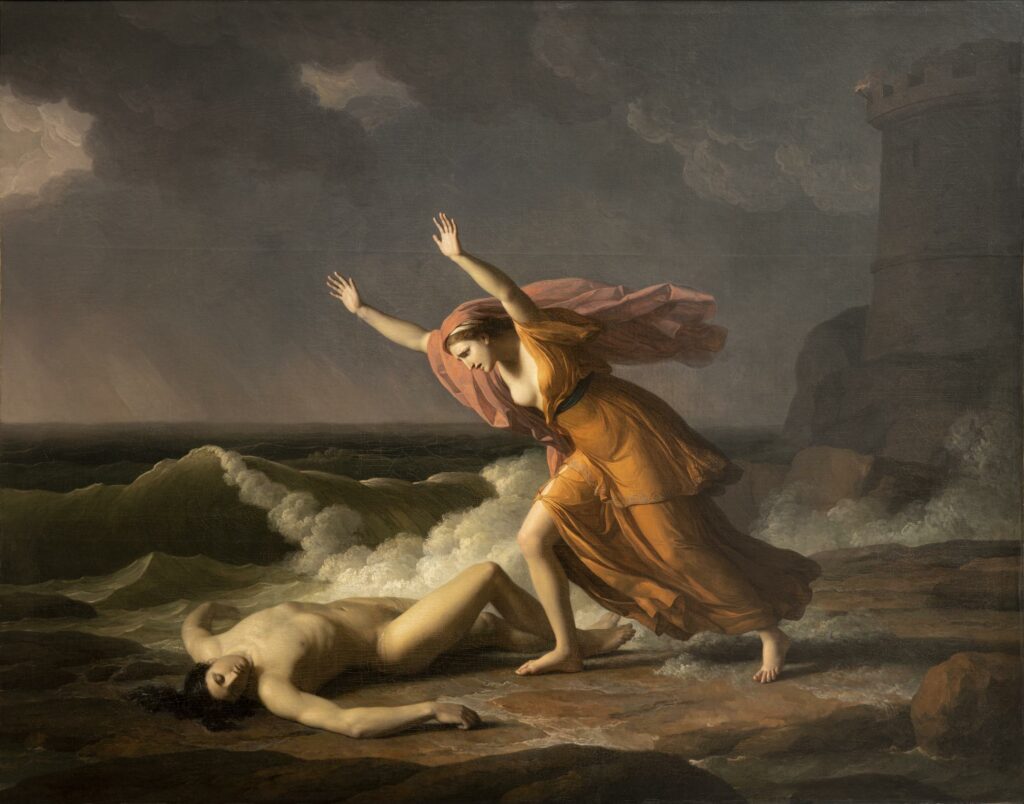
One of the most famous open water swimming stories comes from Greek mythology. It is told in Hero and Leander, a poem attributed to Musaeus Grammaticus.
The story takes place in the Hellespont, the present-day Dardanelles Strait, which separates Europe from Asia.
On the European shore lived Hero, a priestess of Aphrodite. On the Asian shore lived Leander. Each night, to reach the one he loved, Leander would swim across the strait, guided by the light of a lantern lit by Hero.
But one winter night, violent winds and currents overcame him. The lantern went out, Leander lost his bearings and drowned. Upon discovering his body in the morning, Hero took her own life.
This story is considered one of the first great legends of open water swimming, already illustrating the three dimensions that still characterize this discipline: challenge, endurance, and respect for natural elements.
Lord Byron: a historic open water swimming feat
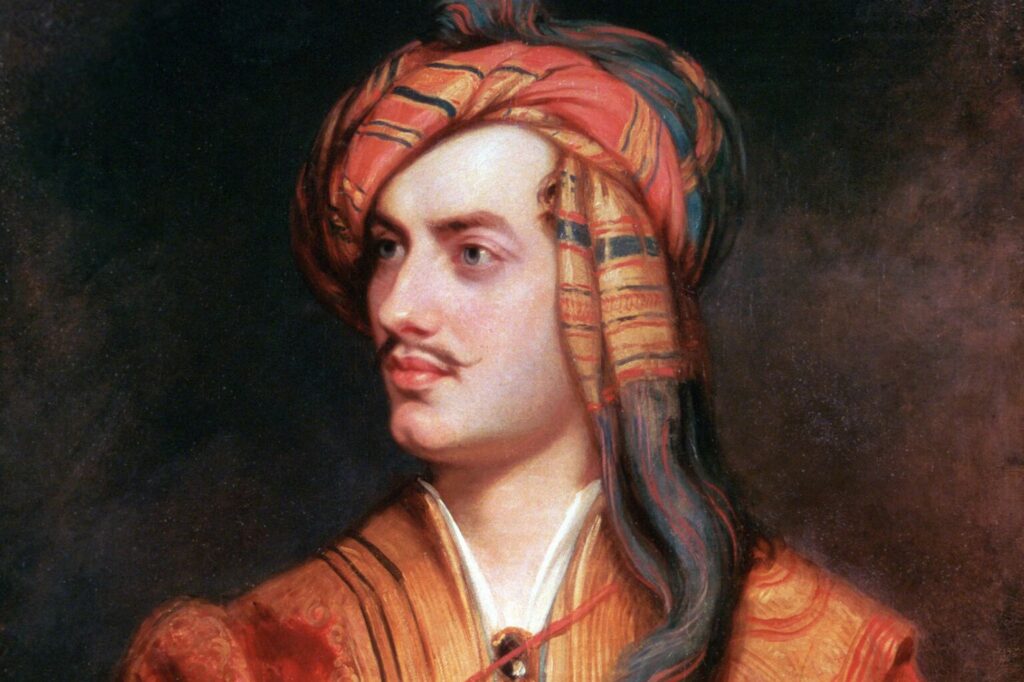
More than two thousand years after this legend, British poet Lord Byron decided to turn it into reality.
During his Grand Tour of Europe, he attempted the Hellespont crossing himself.
A first attempt failed due to currents and icy water. But on May 3, 1810, accompanied by Lieutenant William Ekenhead, Lord Byron finally succeeded in the crossing in approximately 1 hour 10 minutes, adopting a diagonal trajectory to compensate for the force of the current.
His feat helped bring open water swimming into the modern history of sport and reinforced the prestige of this mythical crossing.
Can you still practice open water swimming in the Dardanelles?
Yes, but only in a very controlled setting. The Dardanelles Strait is now one of the busiest shipping lanes in the world. An independent crossing would be extremely dangerous.
Each year, at the end of August, Turkish authorities exceptionally halt maritime traffic for a few hours to organize an official open water crossing.
Hundreds of swimmers from around the world follow the same route as Leander and Lord Byron, perpetuating a tradition several centuries old.
Why this story is essential to understanding open water swimming
Before pools, stopwatches, and international competitions, swimming was primarily an activity practiced in the sea, in rivers, or in lakes.
The stories of Leander and then Lord Byron remind us that open water swimming is intimately connected to:
- endurance
- courage
- adapting to currents
- navigation in natural environments
- pollution or absence of safe swimming areas
- the ability to move through a natural environment
These qualities still form the core of modern open water swimming events today, whether international competitions, iconic crossings, or simple outings in natural settings.
To conclude
The history of open water swimming doesn’t begin with modern competitions. It has its roots in ancient myths, the exploits of early adventurers, and the challenges imposed by nature. By discovering these origins, we better understand why open water swimming still fascinates so much: it represents far more than a sport. It is a return to the roots of swimming, where each crossing is an encounter with the elements.