Cold-Water Swimming: A Growing Practice
Cold-water swimming is gradually gaining popularity in France and many other countries. Whether in the sea, lakes or even swimming pools, it attracts swimmers from a wide range of backgrounds. Some see it as a way to continue swimming throughout the winter, while others want to experience new sensations or take part in dedicated events. But what is the difference between cold-water swimming and ice swimming? Where does this practice come from, and how is it evolving today?
What Is Cold-Water Swimming?
Cold-water swimming involves swimming in water at a low temperature, particularly during autumn and winter. It can take place in natural environments, in unheated swimming pools or as part of organised events.
However, it is important to distinguish between cold-water swimming and ice swimming, also known as Ice Swimming. The latter is a specific sporting discipline governed by strict rules. According to the International Ice Swimming Association (IISA), it takes place in water at 5°C or below, with equipment limited to a standard swimsuit, a swimming cap and goggles. Wetsuits are not permitted in official events held under IISA rules.
Cold-water swimming is therefore a broader term that covers everything from winter bathing to certain competitive swimming disciplines. In all cases, low water temperatures require particular care and a good understanding of the risks associated with exposure to cold.
Where Does This Practice Come From?
Cold-water swimming has its roots in the traditions of Nordic countries, particularly Finland. In this country, winter swimming is part of everyday life for many enthusiasts. For example, avantouinti involves bathing in a hole cut into the ice, a practice often combined with a sauna session.
Over time, winter swimming has spread beyond these traditional settings. Today, it is practised in many countries, both for recreational purposes and as part of sporting activities or popular gatherings.
The discipline has also become more structured at an international level. Founded in 2009, the International Ice Swimming Association (IISA) helps regulate ice swimming by establishing rules regarding water temperatures, equipment and the recognition of performances.
This development reflects the growing interest in cold-water swimming, which now takes many different forms, from winter bathing to some of the most demanding sporting challenges.
How Is It Practised Today?
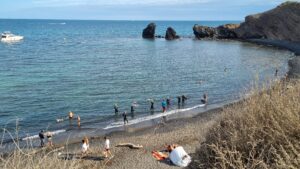
Cold-water swimming can be enjoyed recreationally, without necessarily taking part in a competition. Swimmers choose their surroundings according to their preferences and the facilities available nearby: the sea, lakes, rivers or unheated swimming pools.
Some swim regularly throughout the year to continue their swimming activities as temperatures drop. Others prefer occasional swims, particularly during organised winter gatherings.
Motivations also vary. For some, it is about discovering new sensations or breaking away from their usual routine. For others, cold-water swimming represents a personal challenge or an opportunity to share an experience with like-minded enthusiasts.
However, this freedom of practice does not mean that you can simply jump into the water without preparation. Cold water can cause cold shock, affect breathing and lead to a rapid loss of physical abilities. It is therefore essential to build up gradually, never swim alone and favour supervised and safe conditions. If you have any concerns about your health, it is advisable to seek medical advice before getting started.
What Are the Different Disciplines and Events Available?
Cold-water swimming encompasses a range of activities, from winter bathing to international sporting competitions.
Ice swimming is the most strictly regulated form of this practice. The IISA oversees events in water at 5°C or below, with distances ranging from 50 to 1,000 metres. One of the most iconic challenges is the Ice Mile, which involves swimming 1,609.3 metres in water at 5°C or below, without a wetsuit. International competitions also give swimmers the opportunity to compete against one another under clearly defined rules.
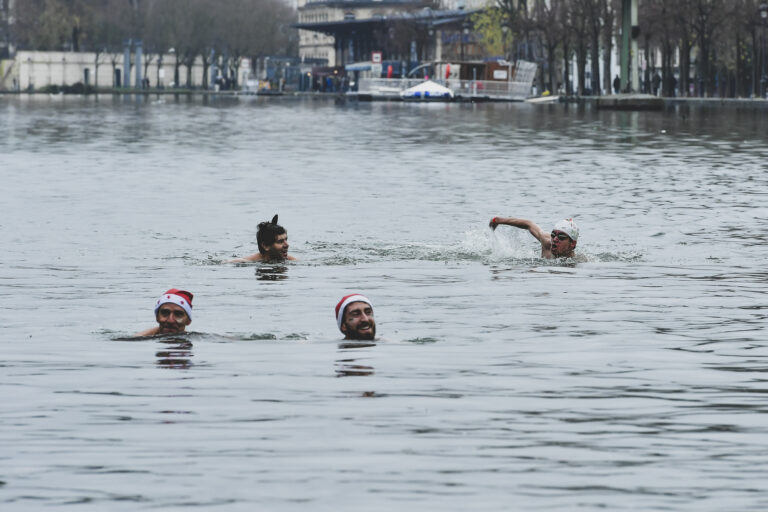
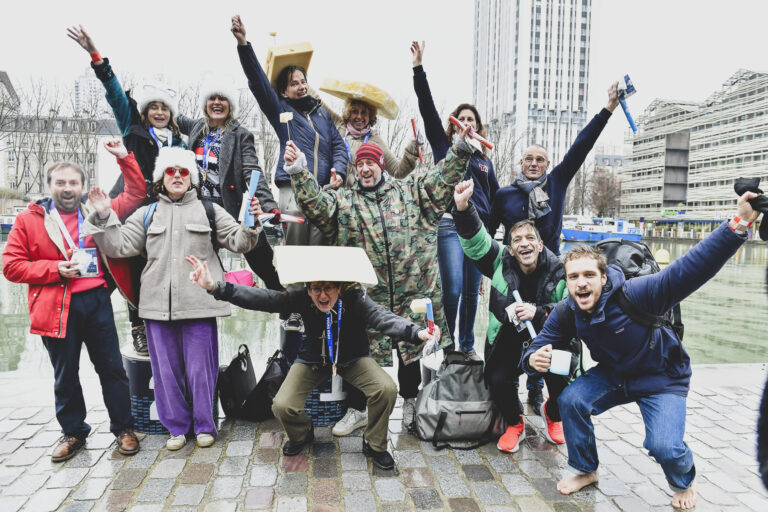
Alongside these sporting events, winter swimming is also growing in popularity through events open to the general public. Christmas and New Year’s Day swims are good examples. Organised in various locations, these gatherings offer people the chance to experience cold water in a friendly, group setting, without necessarily aiming for a sporting performance.
These events help raise awareness of the practice and bring together participants from a wide range of backgrounds. They offer another way to discover winter swimming, provided that the safety guidelines set by each organiser are followed.
The Coupe de Noël Paris: See You in the Cold Water!
Fancy discovering cold-water swimming in a festive atmosphere? Join us on 13 December 2026 at Bassin de la Villette in Paris for the second edition of the Coupe de Noël Paris!
The concept is simple: swim 100 metres in cold water, with no timing, either individually or as part of a team of 2, 3 or 4 swimmers. And for the occasion, we encourage you to bring out your best fancy dress costumes: the most creative outfits will be rewarded!
After the swim, it’s time to relax and enjoy the atmosphere. Tea, coffee and hot chocolate will be available to help you warm up and share a friendly moment with the other participan
So, are you ready to take on the 100-metre cold-water challenge?